Sivudaropose post office

A POST OFFICE FOR CHARACTER MOTION

Send a pose
with a reason
to move.

Sivudaro develops animation and rigging through the questions held inside a gesture: what prepares it, where the body spends its weight and what another animator needs to understand when the sequence continues.

Visit the counter

NOTICE · WEIGHT · RELEASE · RETURN

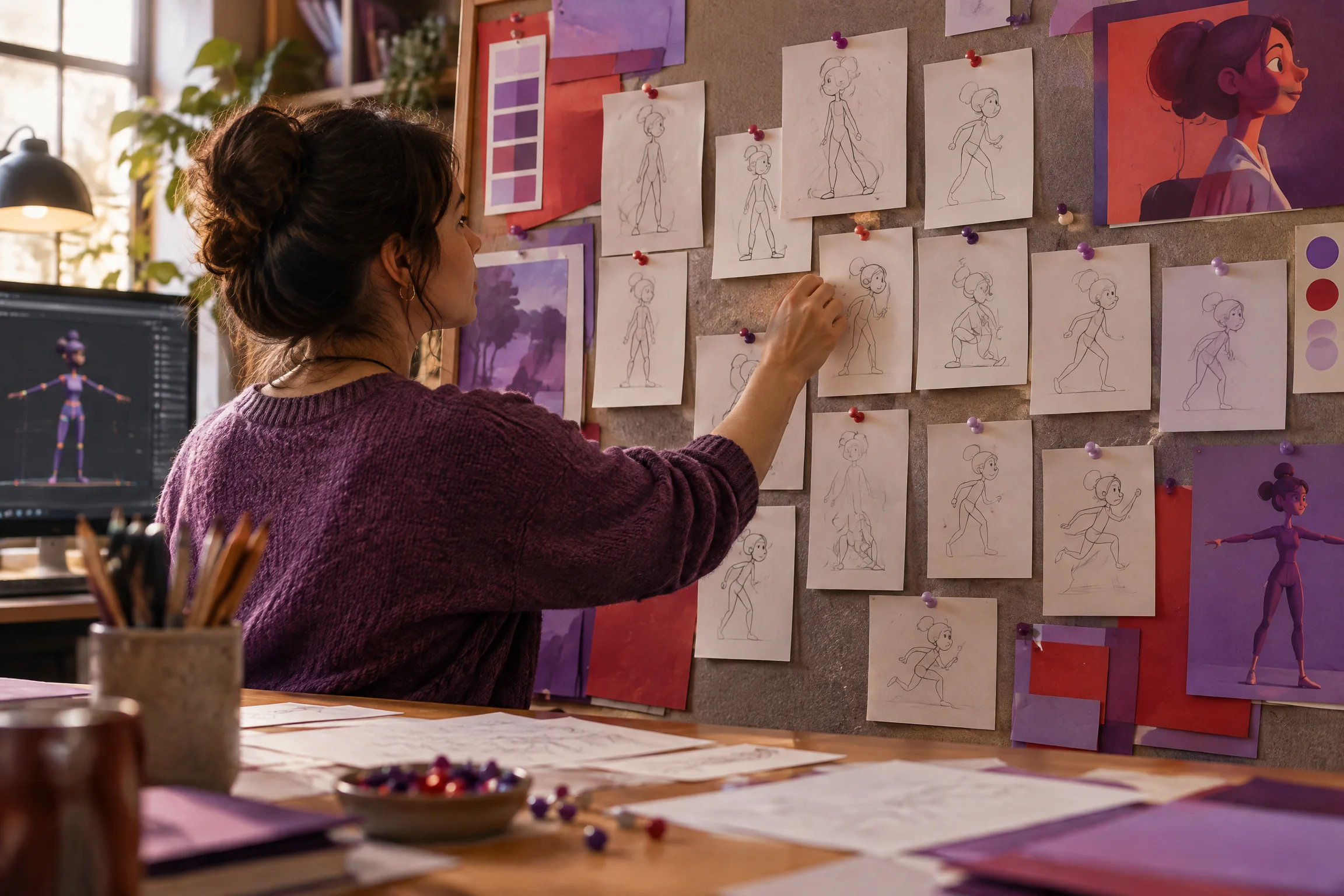
Animator at a pose pinboard
START WITH THE REASON A BODY NEEDS TO MOVE.

02 / POSTAL COUNTER

What should the
next pose
deliver?

Choose a counter ticket to give a motion problem a focused starting point. The ticket is a prompt for a scene, not a claim that character work has one universal recipe.

COUNTER NOTE

The audience can read the event, but not the character’s choice

Look for the shift in attention, weight or timing that makes the character’s intention visible before the action reaches its endpoint. A small preparation can carry more story than a larger result.

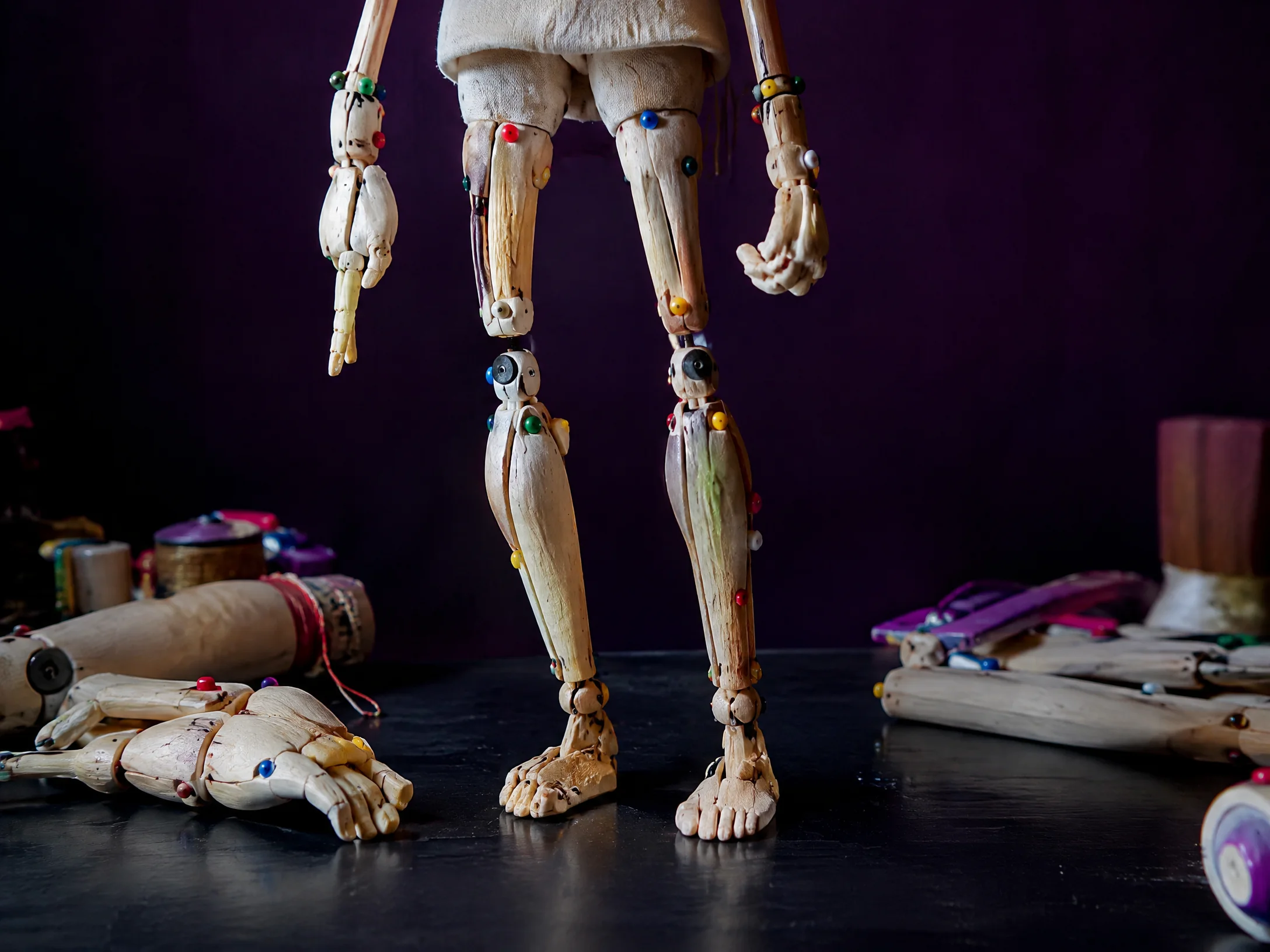
Wooden pose maquette
A POSE IS A SMALL LETTER ABOUT WHAT A CHARACTER KNOWS.

03 / POSE STAMPS

Stamp the
gesture where
it matters.

Open a stamp to read one part of a gesture. The pieces are connected: a good rig makes this kind of conversation easier, but it does not replace observation, reference or performance judgement.

04 / DISPATCH BAND

Let the motion
carry its own
address.

Rigging joints and coloured markers
THE RIG SHOULD MAKE AN INTENTION EASIER TO LOCATE.

A / NOTICEWhat catches the audience’s attention first?

B / LOADWhere does weight gather or begin to shift?

C / TURNWhich arc carries the choice across the scene?

D / ECHOWhat remains in motion after the event?

05 / DELIVERY TAG

A scene can hold
a small amount of
uncertainty.

Move the delivery tag to select a reading. The label does not evaluate an animation; it names the kind of question that can guide a next, concrete review.

1 / Notice2 / Weight3 / Echo
WEIGHT / WHERE THE BODY IS SPENDING ITSELF

Look at contact, counterbalance and direction. A viewer can often read a choice more clearly when the body appears to have paid for the movement it makes.

Animation story cards on a table
Hand holding a pose token
KEEP A CLEAR RECEIPT FOR THE NEXT PASS.

06 / MOTION RECEIPT

Leave a note
for the next
pair of eyes.

A motion receipt can be short: what the scene needs to make visible, what is under test and which observation should guide the next pass. It gives review a useful object without confusing the note for a finished performance.

Read the sequence registry

07 / RIGGING PARCEL TRAY

Pack the controls
around a playable
question.

Choose a parcel label to change the displayed prompt. These are review lenses, not a claim that every character rig needs the same control scheme.

Range / Can the pose reach the expressive space the scene asks for without forcing an animator into a technical workaround?
Animation workstation and maquette

08 / SEQUENCE REGISTRY

Give each pass
a visible
recipient.

Select a registry entry to read a different review responsibility. The point is to make the next observation more specific, not to claim a rigid production process.

Scene / Does the movement tell the moment of the story that this scene needs to tell?
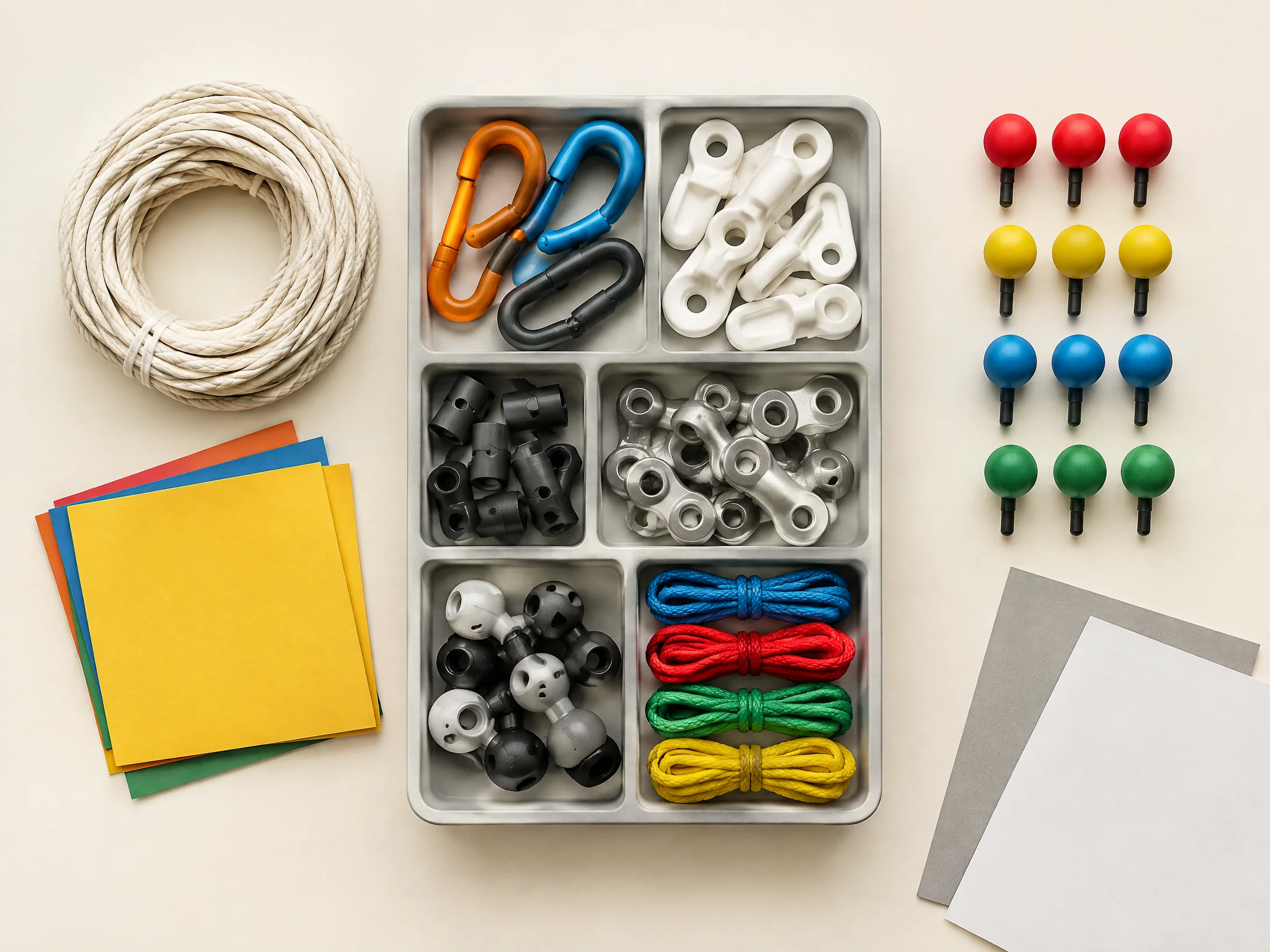
Rigging parts tray

09 / STAMP LIBRARY

Questions to
keep with the
sequence.

A review may include scene intent, posing, weight, timing, arcs, silhouette, reference interpretation, control behaviour, deformation discussion and the handoff between animation and rigging. The appropriate scope depends on the material and question available. Sivudaro does not promise a fixed production outcome or assume that all of these areas belong in every conversation.

Yes, when the work can begin with a bounded question: a pose range, contact condition, control relationship, deformation concern or animation need. The first step is not a promise to rebuild or certify the rig. It is an opportunity to see what an animator is trying to do, where the control language supports it and what information is needed for a proportionate next step.

Please do not send production assets, private character files, credentials, proprietary references, client records or other confidential material through the public form. A concise description of the scene, performance or rigging question is enough to begin. If work proceeds, access, rights, confidentiality and file-handling expectations should be set in a separate written arrangement.

Name the character or scene question in broad terms, describe what is currently difficult to make visible and say what kind of next conversation would help. You may mention a tool or pipeline context without attaching private files. A specific observed condition—such as unclear weight, a difficult hand contact or a control that fights a performance—is more useful than a full production history.
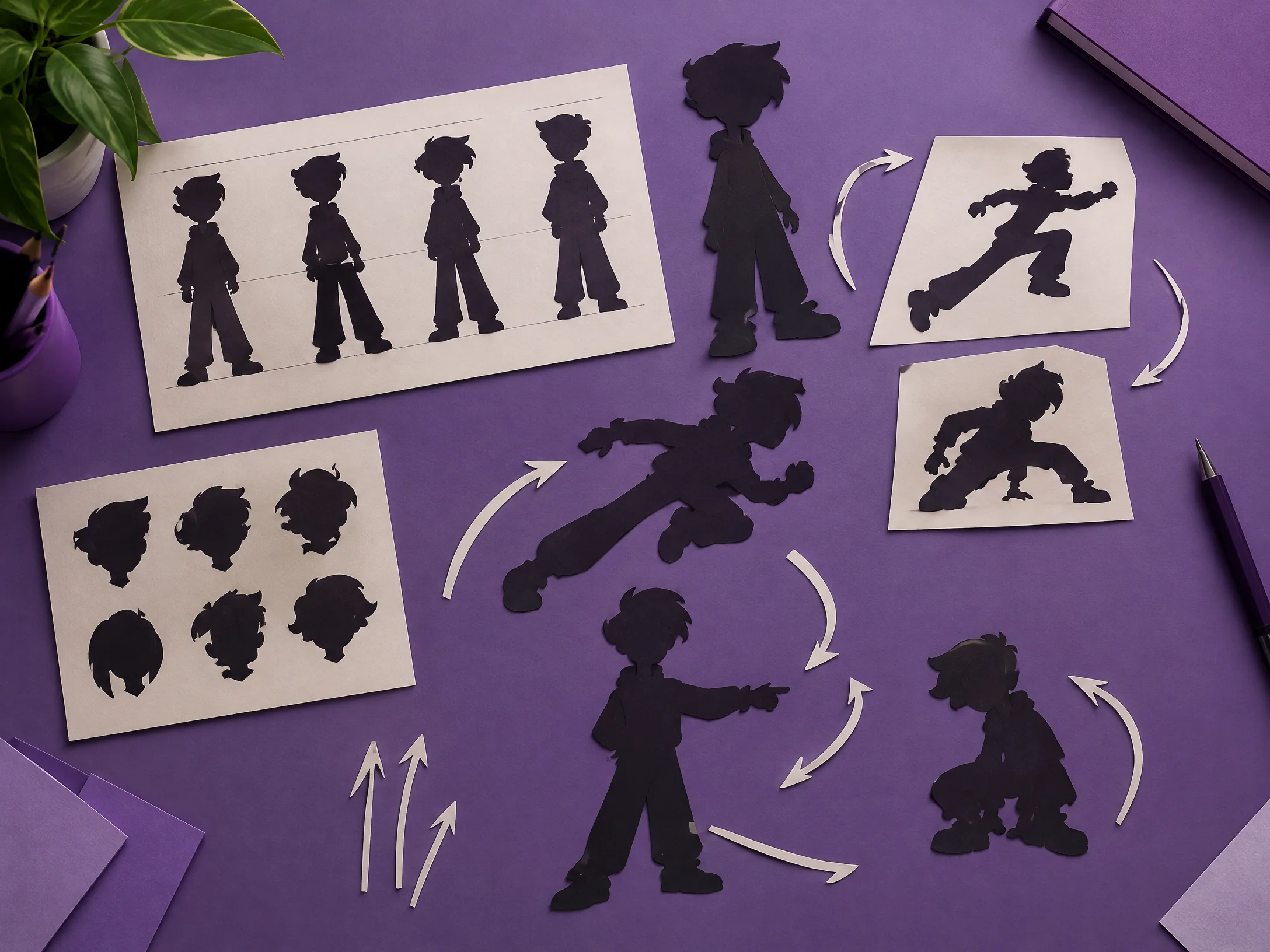
Character silhouette notes

10 / ENQUIRY ENVELOPE

Put the scene
into the
outbox.

Describe the animation, performance or rigging question you want to make more legible. This is an enquiry only; it does not reserve work, process payment or create an agreement.

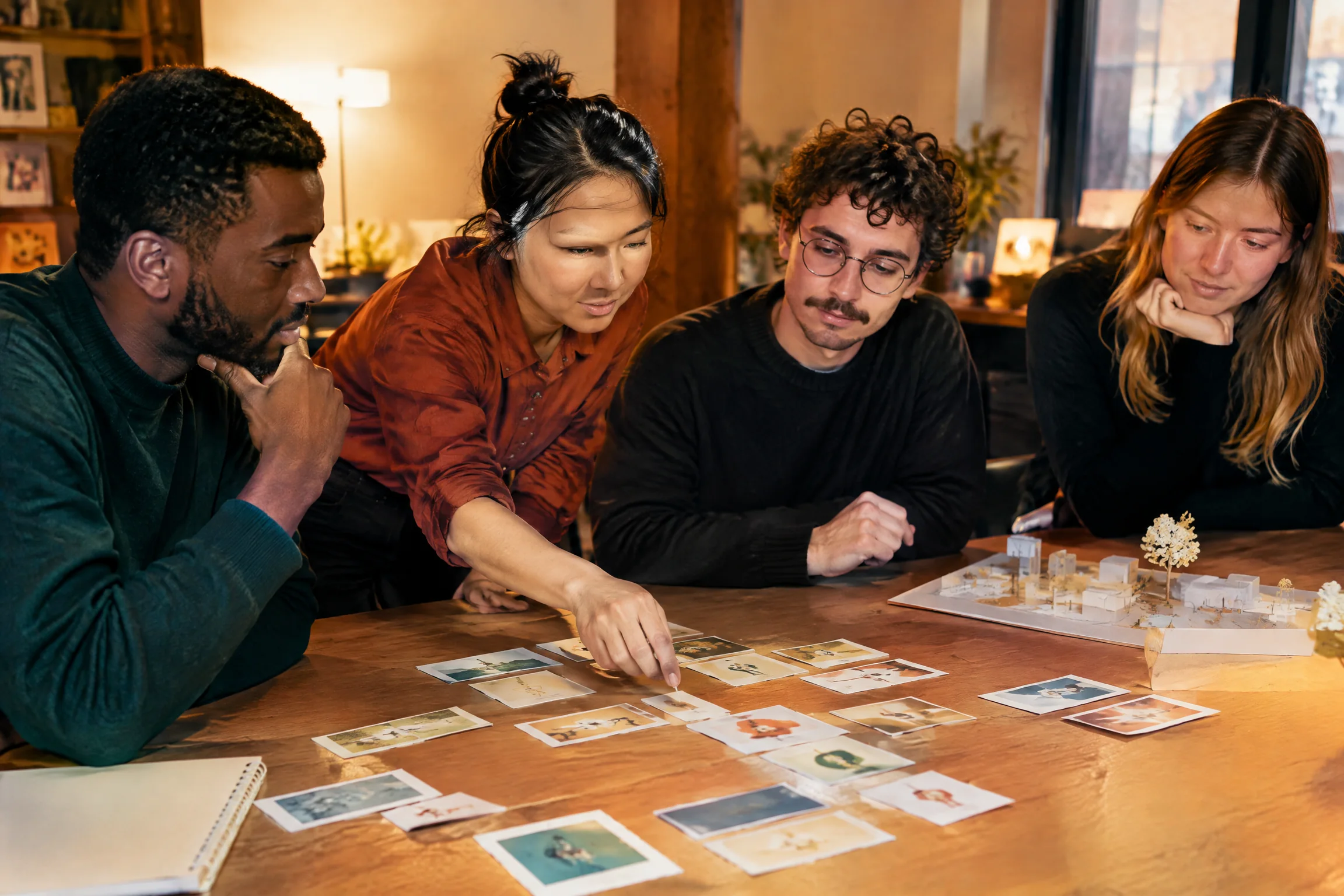
Team reviewing motion cards
BRING THE MOVEMENT QUESTION, NOT A PERFECT REEL.
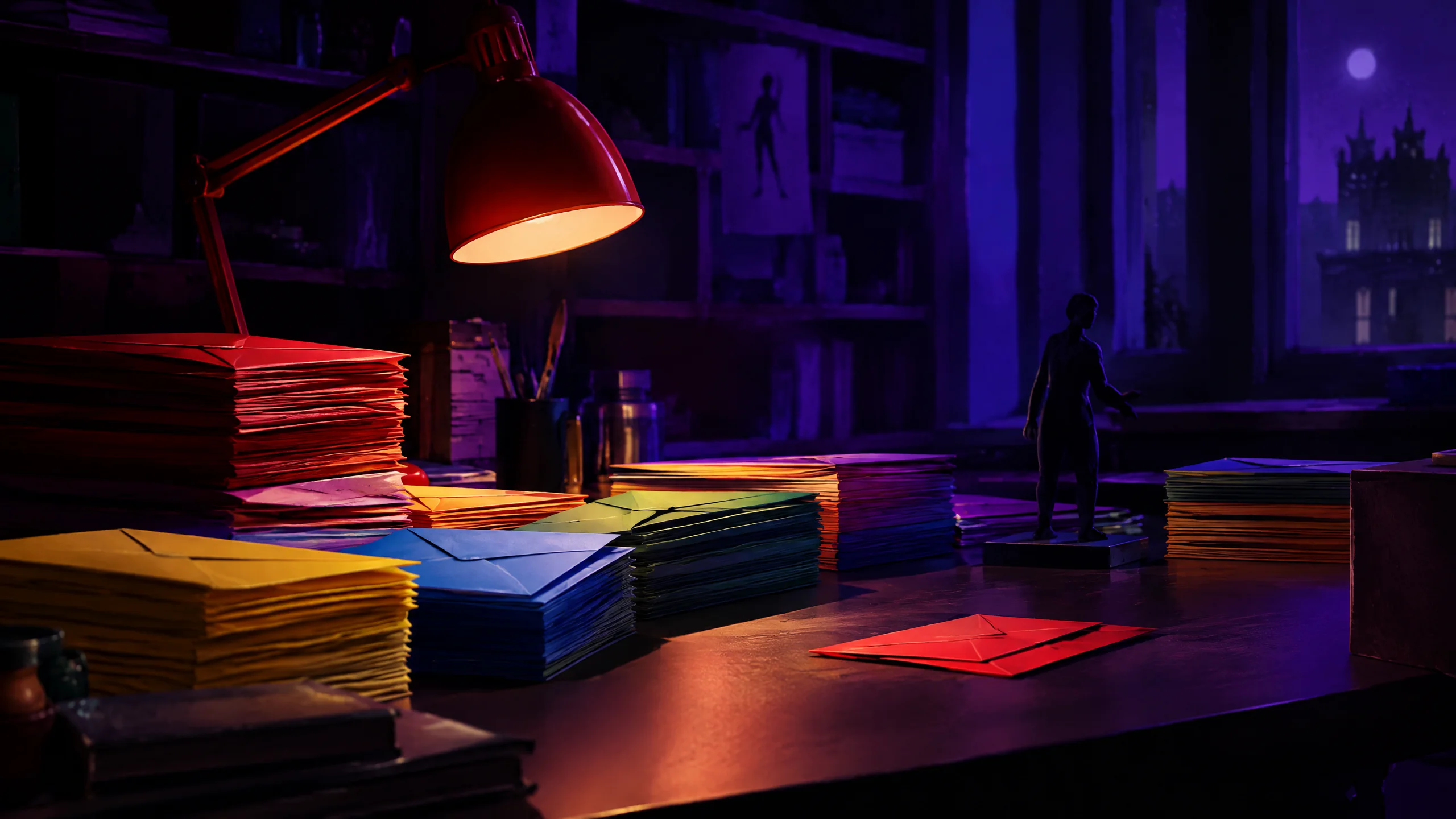
Night sorting room
SVR / POSE POST OFFICE

Keep the
gesture in
transit.

Return to post office